New, Never Installed: Lycoming O-320 Propeller Option
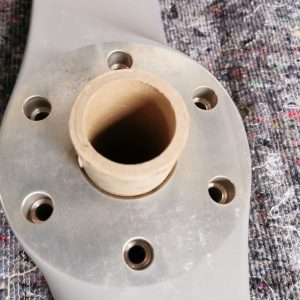
The Sensenich Propeller – P/N 74DM6-0-60
Whether buyers search for a Sensenich Propeller P/N 74DM6-0-60, Sensenich 74DM6 Propeller, or 74DM6-0-60 Aircraft Propeller, complete identification should guide the purchase.
Whether described as a Sensenich Fixed-Pitch Propeller, Sensenich Aluminum Propeller, Fixed-Pitch Aluminum Propeller, or Aluminum Aircraft Propeller, the individual unit should receive professional inspection before installation.
Whether buyers require a 74-Inch Aircraft Propeller, 60-Inch Pitch Propeller, Lycoming O-320 Propeller, or General Aviation Propeller, aircraft-specific applicability remains essential.
A Replacement Aircraft Propeller must match the approved aircraft, engine, hub, bolt pattern, spinner, diameter, pitch, and operating limitations.
Why the Complete Propeller Designation Matters
Every digit, letter, dash, suffix, alteration stamp, and serial marking should be recorded because similar-looking propellers can have different applications or dimensional configurations.
Any approved change should appear in suitable records and markings rather than relying only on verbal descriptions.
New and Never Installed Condition
This condition can provide significant value, but it does not independently confirm current serviceability after storage, transport, or repeated handling.
The packaging should be examined for water stains, crushing, punctures, chemical odors, damaged supports, or signs that the blades contacted the container.
Evaluating General Aviation Propeller Requirements
A fixed-pitch propeller uses blade geometry manufactured or adjusted for a defined range of engine and aircraft operating conditions.
Fixed-pitch simplicity can reduce mechanical complexity compared with variable-pitch or constant-speed systems, but it does not eliminate inspection, balance, tracking, and maintenance requirements.
Evaluating Blade and Hub Condition
Professional inspection helps preserve the long-term value of the Sensenich Aluminum Propeller.
Both blade faces, backs, roots, tips, leading edges, trailing edges, and hub transitions should be examined under suitable lighting.
74-Inch Aircraft Propeller Dimensions
Propeller diameter affects ground clearance, tip speed, engine loading, airframe clearance, and aerodynamic performance.
Blade-tip shape, symmetry, and previous alteration can influence measurement accuracy.
Blade Pitch and Engine Loading
Verified configuration helps buyers understand the intended application of the 60-Inch Pitch Propeller.
Both blades should maintain here suitable pitch consistency, contour, and dimensional symmetry.
Matching the Propeller to the Correct Engine
Aircraft-specific research reduces unsuitable fitment and loading concerns.
The mounting flange, pilot fit, bolt pattern, spacer arrangement, and spinner components should also match the receiving installation.
Two-Blade Aircraft Propeller Configuration
Both blades should maintain compatible dimensions, pitch relationship, contour, weight distribution, finish, and structural condition.
The buyer should examine both blades for differences in paint, coating wear, pressure marks, corrosion, shape, tip condition, and packaging contact.
Inspecting the Propeller Mounting Area
A genuinely never-installed propeller should not show unexplained fretting, bolt loading, or flange-contact patterns.
The propeller should never be drilled, forced, or modified to fit an incompatible engine flange.
Evaluating Scratches, Dents, and Finish Damage
Professional evaluation protects the Sensenich Aircraft Propeller from unsuitable installation.
Suspicious areas should be examined carefully after the wrapping is removed using appropriate handling procedures.
Corrosion Inspection and Storage History
Discoloration, white residue, paint bubbling, coating separation, staining, or pitting should be evaluated instead of dismissed automatically as cosmetic.
The factory finish should remain protected from abrasive materials, harsh cleaners, adhesives, chemical vapors, and trapped moisture.
Separating Certification from Current Condition
The Certified Aircraft Propeller description generally refers to a propeller design manufactured under applicable approved production and certification standards.
All documents should remain permanently associated with the correct physical propeller.
Evaluating Release Paperwork
Reliable traceability improves professional buyer confidence.
Available records may include factory paperwork, conformity documents, release certificates, storage records, purchase invoices, inspection reports, and aircraft-project information.
Replacement Propeller Buying Guide
Uncertainty regarding identity, dimensions, storage, condition, or installation eligibility should be resolved before shipping.
- Determine whether factory paperwork, release documents, mounting hardware, spacers, spinner components, protective covers, and shipping materials are included.
- Arrange qualified propeller evaluation whenever physical condition, dimensions, documentation, or installation eligibility remain uncertain.
- Require packaging that protects the blades, tips, edges, hub, data plate, mounting face, bolt holes, factory finish, records, and included hardware from impact, abrasion, moisture, and movement.
Safe Freight Handling Procedures
Professional packaging helps preserve the never-installed condition.
Pre-shipment photographs can document the blades, hub, packaging, identification, and included parts before collection.
Maintaining Packaging and Identification
Protective materials should prevent contamination without trapping moisture.
Periodic inspection can identify developing corrosion, packaging damage, coating defects, or mishandling.
Completing the Propeller and Spinner Assembly
The engine flange, pilot fit, mounting surfaces, threads, bolt holes, and related components should be inspected before assembly.
Fasteners should be tightened and secured according to applicable procedures, torque values, and tightening sequences.
A ground run should not replace incomplete compatibility research or required technical inspection.
Caring for the Fixed-Pitch Aluminum Propeller
Consistent maintenance protects the Sensenich Fixed-Pitch Propeller.
Maintenance records should identify inspection findings, measurements, corrective action, parts, dates, and personnel involved.
Buying P/N 74DM6-0-60
Original packaging can improve presentation and provenance but does not replace physical examination.
Total acquisition cost may include the purchase price, specialist inspection, dimensional verification, static or dynamic balance work, mounting hardware, spinner components, installation labor, packaging, shipping, and documentation.
Choosing the Sensenich Propeller – P/N 74DM6-0-60
The Sensenich Propeller – P/N 74DM6-0-60
The propeller should be evaluated with the receiving aircraft’s Lycoming engine, flange, spinner, operating limitations, clearances, and approved installation requirements in mind.
Whether the product is described as a 74-Inch Aircraft Propeller, 60-Inch Pitch Propeller, Lycoming O-320 Propeller, or General Aviation Propeller, aircraft-specific applicability remains essential.
With verified identity, suitable dimensions, documented storage, acceptable physical condition, professional installation, and routine maintenance, the propeller can provide dependable long-term value.